Psychotropic Drug Use in Foster Care System Under Investigation
The US Senate Subcommittee on Federal Financial Management has asked the Government Accountability Office (GAO) to investigate the prevalence of prescribed psychotropic medications for children in foster care. The estimated cost of prescribed medications, often used in the treatment of emotional and behavioural problems, may run to hundreds of millions of dollars each year in the United States alone. To date, only limited reports are available to determine the actual prevalence of psychotropic medication in foster children. Experts suggest that foster children are four times more likely to be prescribed antipsychotic or antidepressant medication than other children covered under Medicaid. One 2003 study of foster children in Florida indicated that 55 percent of children in the foster care system are being administered psychotropic medication although forty percent of those medicated had no history of a psychiatric evaluation.. Another study has indicated that anti-psychotic medication used has increased 528 from 2000 to 2005. A Texas study from 2004 showed that 34.7 percent of foster children were prescribed at least one psychotropic drug with some children taking five or more.
Prescribing psychotropic medication for children is especially troubling given the potential risks associated with some types of antidepressant and antipsychotic medication which are believed to increase the risk of suicidal behaviour in adolescents. The GAO investigation has focused on antidepressants which are often prescribed "off-label" to address symptoms for which the medication has not been approved by the Food and Drug Administration (FDA). Although Congress has established formal guidelines for medications that qualify for Medicaid reimbursement, the potential for severe side-effects (and even death) remains high. Medications that are commonly prescribed to children include Prozac, Phenobarbitol, Cymbalta, Mellaril, Effexor, Respiridal, Paxil, and many others. Doctors prescribing medications to children tend to focus on behavioural problems although case histories are often unavailable when the children are being assessed.
Pharmaceutical companies have been implicated in the widespread use of psychotropic medication in foster children. Drug companies engage in aggressive marketing campaigns which highlight the potential benefits of certain types of medication while minimizing potential risks for children. The Law Project for Psychiatric Rights has launched several lawsuits aimed at calling drug companies to account for their marketing practices. In one example, AstraZeneca has recently paid over $520 million in lawsuits over illegal promotion of off-label use of Seroquel (quetiapine). A recent Justice Department action against Pfizer led to a $2.3 billion settlement (the largest in Justice Department history) although Pfizer maintains that it did not break the law.
There are no easy fixes for the complex problems that have led to the proliferation of prescription drug misuse in foster care. Despite recent attempts at passing legislation to oversee the prescribing of medication, the ongoing use of psychotropic medications to control unruly behaviour in foster children seems likely to continue for the foreseeable future. The long-term consequences of drugging children rather than providing more effective support services seem dire.
For more information.
http://drvitelli.typepad.com/providentia/2010/06/psychotropic-drug-abuse-in-foster-care-costs-government-billions.html
Isabella Brooke Knightly and Austin Gamez-Knightly

In Memory of my Loving Husband, William F. Knightly Jr. Murdered by ILLEGAL Palliative Care at a Nashua, NH Hospital
Tuesday, June 22, 2010


Sunday, June 20, 2010
Police Seek Info on Missing Boy's Stepmother
Police Seek Info on Missing Boy's Stepmother
http://video.ap.org/?f=NHMAN&pid=trLUN9LpwQn4ZI0qILhc6YfpqEcE459J
http://www.unionleader.com/default.aspx
http://video.ap.org/?f=NHMAN&pid=trLUN9LpwQn4ZI0qILhc6YfpqEcE459J
http://www.unionleader.com/default.aspx
Happy Father's Day to All REAL Father's
Austin and Grampie(AKA Dad) in Austin's eyes

Wishing a Happy Father's Day to All real Father's, even though many have children missing from their lives. Hopefully, that will soon change and all children will be back in their families lives. The families they were born and bred by, not the fake families our government has provided them with. Many of us are missing our children and grandchildren, due to government interference. Stay strong and don't ever give up. Our children will NEVER forget us. I'm sure their just as sad as we are not being with us today. Children need both their parent's. Their biological parent's and their extended biological family member's in order for them to have full and productive lives. Today is a day to celebrate Father's. Biological father's, not government, hand picked, paid off replacement's.
Again, Happy Father's Day and Stay Strong!
unhappygrammy

Wishing a Happy Father's Day to All real Father's, even though many have children missing from their lives. Hopefully, that will soon change and all children will be back in their families lives. The families they were born and bred by, not the fake families our government has provided them with. Many of us are missing our children and grandchildren, due to government interference. Stay strong and don't ever give up. Our children will NEVER forget us. I'm sure their just as sad as we are not being with us today. Children need both their parent's. Their biological parent's and their extended biological family member's in order for them to have full and productive lives. Today is a day to celebrate Father's. Biological father's, not government, hand picked, paid off replacement's.
Again, Happy Father's Day and Stay Strong!
unhappygrammy
Saturday, June 19, 2010
Big money to be made in the adoption trade
Big money to be made in the adoption trade
If ever there was a scandal which called for the full glare of publicity it is the highly secretive system which allows thousands of children to be sent for forced adoption, writes Christopher Booker.
By Christopher Booker
Published: 6:32PM BST 19 Jun 2010
Sir Bob Geldof who has attacked the UK?s 'state-sanctioned kidnap'
On June 3, a 17-year-old Staffordshire girl, living with her parents and seven months pregnant, was horrified to receive a letter which began: “Dear Corrinne, I am the new allocated social worker for your unborn child. We have serious concerns about your ability to care for your unborn baby. We are so worried that we intend on going to Court to apply for an Order that will allow us to place your baby with alternative carers.” This so shocked the family that they raised what money they could and, like many others faced with similar threats, escaped abroad, where they now live in circumstances hardly conducive to a happy delivery of their new child.
Staffordshire social workers were also involved in the tragic case of Maureen Smith, the mother so desperate at the prospect of losing her two children that she fled to Spain, where she killed them before attempting suicide. As she wrote in her suicide note: “Social Services In Staffordshire and their policy of forced adoption are responsible for this.”
Related Articles
David Cameron learns who's in charge
Being green will not get us out of the red
These are just two instances of the vast, long-running tragedy which Bob Geldof, launching a report last December on the “barbaric” chaos of our family law system, called “state-sanctioned kidnap”, whereby social workers, abetted by family courts and an army of complicit lawyers and “experts”, routinely snatch children from loving parents to feed the maw of the adoption and fostering industry.
Yet contrast this with last week’s report exonerating Kirklees social workers from any failings in the case of Shannon Matthews, the Yorkshire girl made subject, after years of neglect and ill-treatment, to a fake kidnap by her mother (described by local police as “pure evil”). Even though no fewer than 22 agencies had been involved with this dysfunctional family over many years, the report found that Shannon’s treatment did not justify taking her into care.
If ever there was a scandal which called for the full glare of publicity it is the highly secretive system which allows thousands of children to be sent for forced adoption, often on no proper pretext. Meanwhile the list of cases where social workers ignore all evidence in allowing the abuse of children to continue, grows ever longer.
It is not generally appreciated how adoption and fostering, organised by social workers, have become big business – quite apart from the fees charged by those lawyers and experts who are part of this corrupt system. Adoption payments and access to a wide range of benefits can provide carers with hundreds, even thousands of pounds a week. Still to be found on the internet (see the Forced Adoption website) is an advertisement by Slough Family Placement Services headed “Balloons and family fun to promote fostering”. This promised that Slough’s town square would be “bustling with activities including face painting and balloon modelling”, complete with a “David Beckham lookalike” (“bring a camera”), to launch “a new fostering allowance of £400 a week”.
I have recently reported the harassment and repeated arrests of Mauren Spalek, the devoted Cheshire mother whose two younger children were taken from her in 2006, and who faces trial on June 29 on a criminal charge of sending her son a birthday card. Last week it emerged, from an official register, what the occupation is of the woman who adopted her stolen children. She is a social worker.
http://www.telegraph.co.uk/comment/columnists/christopherbooker/7840626/Big-money-to-be-made-in-the-adoption-trade.html
If ever there was a scandal which called for the full glare of publicity it is the highly secretive system which allows thousands of children to be sent for forced adoption, writes Christopher Booker.
By Christopher Booker
Published: 6:32PM BST 19 Jun 2010
Sir Bob Geldof who has attacked the UK?s 'state-sanctioned kidnap'
On June 3, a 17-year-old Staffordshire girl, living with her parents and seven months pregnant, was horrified to receive a letter which began: “Dear Corrinne, I am the new allocated social worker for your unborn child. We have serious concerns about your ability to care for your unborn baby. We are so worried that we intend on going to Court to apply for an Order that will allow us to place your baby with alternative carers.” This so shocked the family that they raised what money they could and, like many others faced with similar threats, escaped abroad, where they now live in circumstances hardly conducive to a happy delivery of their new child.
Staffordshire social workers were also involved in the tragic case of Maureen Smith, the mother so desperate at the prospect of losing her two children that she fled to Spain, where she killed them before attempting suicide. As she wrote in her suicide note: “Social Services In Staffordshire and their policy of forced adoption are responsible for this.”
Related Articles
David Cameron learns who's in charge
Being green will not get us out of the red
These are just two instances of the vast, long-running tragedy which Bob Geldof, launching a report last December on the “barbaric” chaos of our family law system, called “state-sanctioned kidnap”, whereby social workers, abetted by family courts and an army of complicit lawyers and “experts”, routinely snatch children from loving parents to feed the maw of the adoption and fostering industry.
Yet contrast this with last week’s report exonerating Kirklees social workers from any failings in the case of Shannon Matthews, the Yorkshire girl made subject, after years of neglect and ill-treatment, to a fake kidnap by her mother (described by local police as “pure evil”). Even though no fewer than 22 agencies had been involved with this dysfunctional family over many years, the report found that Shannon’s treatment did not justify taking her into care.
If ever there was a scandal which called for the full glare of publicity it is the highly secretive system which allows thousands of children to be sent for forced adoption, often on no proper pretext. Meanwhile the list of cases where social workers ignore all evidence in allowing the abuse of children to continue, grows ever longer.
It is not generally appreciated how adoption and fostering, organised by social workers, have become big business – quite apart from the fees charged by those lawyers and experts who are part of this corrupt system. Adoption payments and access to a wide range of benefits can provide carers with hundreds, even thousands of pounds a week. Still to be found on the internet (see the Forced Adoption website) is an advertisement by Slough Family Placement Services headed “Balloons and family fun to promote fostering”. This promised that Slough’s town square would be “bustling with activities including face painting and balloon modelling”, complete with a “David Beckham lookalike” (“bring a camera”), to launch “a new fostering allowance of £400 a week”.
I have recently reported the harassment and repeated arrests of Mauren Spalek, the devoted Cheshire mother whose two younger children were taken from her in 2006, and who faces trial on June 29 on a criminal charge of sending her son a birthday card. Last week it emerged, from an official register, what the occupation is of the woman who adopted her stolen children. She is a social worker.
http://www.telegraph.co.uk/comment/columnists/christopherbooker/7840626/Big-money-to-be-made-in-the-adoption-trade.html
More Sad Pictures of Austin Knightly in DCYF Custody-Year 2 Held in Captivity
Austin-2007 Still in DCYF custody

Another sad picture of Austin in DCYF custody-2007

Austin's 7th birthday at St. Charles Childrens Home-The Orphanage 2007

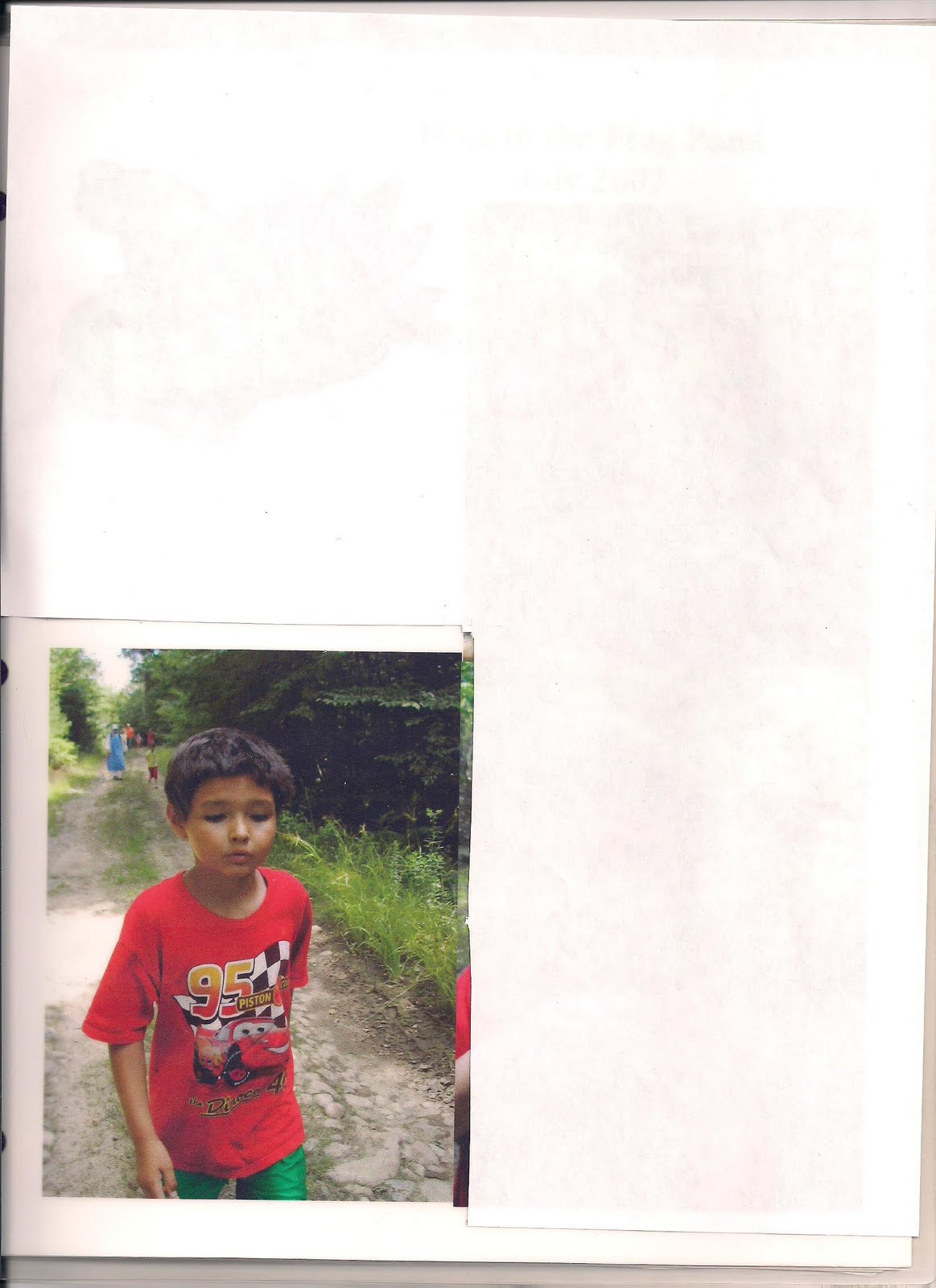
Another sad picture of Austin in DCYF custody-2007

Austin's 7th birthday at St. Charles Childrens Home-The Orphanage 2007

Facebook has changed adoption for ever
Facebook has changed adoption for ever
Sat, 2010-06-19 13:04 - Kerry
Social network sites like Facebook are changing what happens after adoption. At the click of a button, birth parents can contact their children – and vice versa – with far-reaching consequences
By Eileen Fursland
June 19, 2010 / The Guardian
Adoption is undergoing a revolution. Until recently, it has been a closely managed process, with social workers going to enormous lengths to protect children placed with adoptive families from inappropriate contact with birth relatives. The exponential growth of social networking sites such as Facebook has changed that for ever – and the consequences are far-reaching.
Last month, a collective shiver ran through the homes of adoptive parents after a flurry of newspaper and television reports about birth parents using social networking sites to make unsolicited approaches to children who, years earlier, had been removed and adopted. There is indeed an increasing number of cases of adopted young people being contacted by birth parents through Facebook. There are even more instances in which the approach is initiated by adopted young people themselves, who are curious about their birth families.
"Children tracing their birth families has been the most prevalent – we have had dozens of cases in North Yorkshire," says Joan Hunt, adoption social worker for North Yorkshire county council. Every week she hears from adoptive parents who phone up in panic, having discovered that their adopted child has been having secret contact with birth relatives.
"We have had cases of the adopted child running away from the adopted family to the birth family. Age 14 to 15 seems to be the most vulnerable time. Unfortunately, post-16 tends to go off our radar," she says. "It obviously has big repercussions for everyone involved. What I find heartbreaking is that children are seeking out their birth family and meeting them with no support from those who are closest to them. Equally, birth family members are meeting children without the support that should be in place for them."
Hunt stresses that it is important not to demonise birth parents – many of whom are vulnerable themselves. "When contact has been made, adoptive parents are scared – they feel their privacy has been invaded – but because they are feeling vulnerable, some come down very hard on their kids and try to cut off their social networking activity and remove their mobile phones. I know kids who are grounded for months on end, and parents who have even been into their local library and instructed the librarian not to let their daughter use the computer. Parents can't see a way out of it. But that's not the way to behave with kids of this age.
"We need to try to find a balance. The kids are trying to tell us something when they do this. They are not doing it to be bad. They want to know and they don't have all the answers. Ultimately, these children need us to give them a lot more information about their past."
Adoptive families often turn to social workers for help with the fallout from Facebook. But social workers themselves are finding the whole issue challenging. "When our first case hit us, a tremor went round everybody in the room. Very quickly you realise you can't control it," says one.
"I feel as though, so far, my role has been to run along behind with a mop," says another. Next Thursday, more than 100 social workers from across the UK will attend a conference in London called Facing up to Facebook. Social workers want to learn more about how to advise and support families, assess the risks, protect children and young people and manage the complex situations that often arise from unplanned and unmediated contact.
The response to the conference, organised by the British Association for Adoption & Fostering (Baaf), has been so great that it has had to move to a bigger venue, and a similar conference has already been scheduled to take place in Manchester in October.
When a child is adopted, there is now often an arrangement for continued indirect contact with the birth family, if this is in the child's interests. In a system known as "letterbox contact", letters and sometimes photographs are sent via social services, to protect the family's identity and location. Some adopted children make occasional visits to a birth brother or sister adopted into another family.
Children adopted as babies or toddlers are usually told the first names and surnames of their birth parents. This is an important part of an adopted child's "life story work". With this information, in the age of Facebook, adopted young people may be able to trace their birth parents within minutes, needing no help from parents or social workers.
Today's adopted teenagers are the first to have grown up with Facebook – and at the time of the adoptions, no one could have predicted it would be possible. By making it so easy to find people, social networking sites have blown apart all the carefully thought-out procedures for tracing, contact and reunion in adoption. Reunion would not normally take place until the adopted child is at least 18 and the procedure would involve a great deal of preparation and communication through a third party at first, to protect confidentiality; plus other safeguards for both the adopted person and their birth relatives. Making contact via Facebook circumvents all of this.
For adopted young people, going through this situation in secret and alone can be emotional dynamite – regardless of whether it is the young person, the birth parent or perhaps a birth brother or sister who makes the initial approach.
Adopted teenagers have all the usual difficulties of adolescence – and more. They may have identity issues, feel they don't "fit in" anywhere and rebel against their adoptive parents. Some fantasise about their birth parents and idealise them. Then they may find themselves in immediate and intense contact with birth relatives who are, in effect, strangers, without their adoptive parents or social workers knowing about it.
"We had a teenage girl, who had only seen her father when she was a few months old, make contact with him through Facebook – within two months she had run away to live with him in another town," says one social worker.
There may be a "honeymoon period" when the young person is thrilled to have found their birth family and believes they are the answer to all their problems, but it rarely lasts. Sometimes the relative passes on the young person's details to other family members, who also start phoning and sending messages, making them feel bombarded and pressurised. Young people may discover upsetting facts, be told a misleading version of events, or find that the contact stirs up memories of earlier abuse. And if they haven't told anyone, they have to go through any resulting confusion, anger, distress, rejection or disappointment without support. "I would usually plan reunions with the birth families for young adopted adults with great care. Unpicking contact made through Facebook can be more complex," says Norma Sargent, senior post-adoption practitioner with the Coram Adoption Service in London.
Katie Smith was six months old when she was placed for adoption by her birth parents. At 14, she secretly made contact with her birth family on the internet. She was excited at first but the contact with her birth father and one of her older birth sisters has turned out to be the opposite of what she had hoped.
"My birth sister used to email me every morning, saying I was dirt and I should die," she says. "Once, my birth father said to me on the phone: 'I know everything that's going on in your life. I've got Facebook right here in front of me', and he started reading out things from my mum's profile too. And they have tried to manipulate me, making me believe things that aren't true."
It was three months before her parents found out what had happened. Katie's birth father has been imprisoned at least twice for violence and drug-related offences, and, not surprisingly, Katie's mother, Lorna, was alarmed. "We didn't know if they would turn up here or what they might do to us. We were in a state of panic," she says.
There has been one positive outcome, however. Katie was contacted on Facebook by her older sister, Amy, who – like everyone else in the extended family – had been told that Katie had died. Amy had run away from the family to a refuge at 15 to escape abuse at home. The sisters have met up several times and become friends, talking every night on the phone. Katie has struggled with the impact of two years of damaging contact. A post-adoption support worker has advised measures such as blocking the contact, changing her mobile phone number and contacting the police. But Katie can also be determined, and at the moment she won't do it, even though she recognises that every phone call, every email and text "destroys me a little bit".
Her adoptive family has had to come to terms with what has happened. "When we adopted Katie, there was no talk about continuing contact with the birth family at all – it just wasn't on the agenda," says Lorna. "My view now is that these people are part of Katie's life, and she has to find a way of coping with it. It's really hard for us and Katie, but that's how it's got to be."
The social networking revolution has raised pressing questions for everyone involved in, or touched by, adoption. Some social workers are wondering whether it will fundamentally change the nature of adoption. "There has already been a metamorphosis in terms of training and preparation of adopters and what they should expect," says Hunt. "I think that in future it will also change the nature of the type of person who adopts."
Prospective adopters will have to be prepared to be even more open with their adopted children and to take an empathetic view of the birth parents, she believes. "Otherwise they are not going to make it when the crap hits the fan when the child is 15. We don't always know what will be dished up to us. But the important thing to remember is that we are caring parents and have responsibilities and duties to our children, but we don't own them. And quite often this feeling of ownership really trips us up."
Not all birth relatives represent a risk and the risks need to be carefully assessed in each individual case. In some cases, meeting birth parents can be helpful for a young person and enable him to accept the reality of his birth family and move on.
"Some adoptive parents are defensive – they see the birth parents as bad and say, 'Why would you want to let them see your child?' But the fact is, it doesn't matter what you as parents want. If the child wants it, it will happen and it won't be your decision," says Hunt. "At 15 he can take a bus and meet up with them, and no one will be any the wiser."
An alternative is for adoptive parents to get involved and help their children find answers to their questions. It helps if they can show their children that they are open to talking about the adoption and birth family – that way, if the child needs to know more or if he or she is contacted by a birth relative, he may be more likely to tell them. In some cases, working with adoption support services, they may even be able to support them in eventually meeting birth relatives, if they decide they want to.
"Parents are scared – they don't know how to do it," says Hunt. They are worried about the impact on their own relationship with their child. "But if you are an adopted young person and your parents are open with you and help you find out what you need to know, that has to be the strongest message of all."
Some names have been changed.
Eileen Fursland is the author of Facing up to Facebook: A Survival Guide for Adoptive Families and Social Networking Sites and Adoption (a guide for social workers), both published by Baaf (baaf.org.uk)
http://www.guardian.co.uk/lifeandstyle/2010/jun/19/facebook-adoption-tracing-birth-mother
Sat, 2010-06-19 13:04 - Kerry
Social network sites like Facebook are changing what happens after adoption. At the click of a button, birth parents can contact their children – and vice versa – with far-reaching consequences
By Eileen Fursland
June 19, 2010 / The Guardian
Adoption is undergoing a revolution. Until recently, it has been a closely managed process, with social workers going to enormous lengths to protect children placed with adoptive families from inappropriate contact with birth relatives. The exponential growth of social networking sites such as Facebook has changed that for ever – and the consequences are far-reaching.
Last month, a collective shiver ran through the homes of adoptive parents after a flurry of newspaper and television reports about birth parents using social networking sites to make unsolicited approaches to children who, years earlier, had been removed and adopted. There is indeed an increasing number of cases of adopted young people being contacted by birth parents through Facebook. There are even more instances in which the approach is initiated by adopted young people themselves, who are curious about their birth families.
"Children tracing their birth families has been the most prevalent – we have had dozens of cases in North Yorkshire," says Joan Hunt, adoption social worker for North Yorkshire county council. Every week she hears from adoptive parents who phone up in panic, having discovered that their adopted child has been having secret contact with birth relatives.
"We have had cases of the adopted child running away from the adopted family to the birth family. Age 14 to 15 seems to be the most vulnerable time. Unfortunately, post-16 tends to go off our radar," she says. "It obviously has big repercussions for everyone involved. What I find heartbreaking is that children are seeking out their birth family and meeting them with no support from those who are closest to them. Equally, birth family members are meeting children without the support that should be in place for them."
Hunt stresses that it is important not to demonise birth parents – many of whom are vulnerable themselves. "When contact has been made, adoptive parents are scared – they feel their privacy has been invaded – but because they are feeling vulnerable, some come down very hard on their kids and try to cut off their social networking activity and remove their mobile phones. I know kids who are grounded for months on end, and parents who have even been into their local library and instructed the librarian not to let their daughter use the computer. Parents can't see a way out of it. But that's not the way to behave with kids of this age.
"We need to try to find a balance. The kids are trying to tell us something when they do this. They are not doing it to be bad. They want to know and they don't have all the answers. Ultimately, these children need us to give them a lot more information about their past."
Adoptive families often turn to social workers for help with the fallout from Facebook. But social workers themselves are finding the whole issue challenging. "When our first case hit us, a tremor went round everybody in the room. Very quickly you realise you can't control it," says one.
"I feel as though, so far, my role has been to run along behind with a mop," says another. Next Thursday, more than 100 social workers from across the UK will attend a conference in London called Facing up to Facebook. Social workers want to learn more about how to advise and support families, assess the risks, protect children and young people and manage the complex situations that often arise from unplanned and unmediated contact.
The response to the conference, organised by the British Association for Adoption & Fostering (Baaf), has been so great that it has had to move to a bigger venue, and a similar conference has already been scheduled to take place in Manchester in October.
When a child is adopted, there is now often an arrangement for continued indirect contact with the birth family, if this is in the child's interests. In a system known as "letterbox contact", letters and sometimes photographs are sent via social services, to protect the family's identity and location. Some adopted children make occasional visits to a birth brother or sister adopted into another family.
Children adopted as babies or toddlers are usually told the first names and surnames of their birth parents. This is an important part of an adopted child's "life story work". With this information, in the age of Facebook, adopted young people may be able to trace their birth parents within minutes, needing no help from parents or social workers.
Today's adopted teenagers are the first to have grown up with Facebook – and at the time of the adoptions, no one could have predicted it would be possible. By making it so easy to find people, social networking sites have blown apart all the carefully thought-out procedures for tracing, contact and reunion in adoption. Reunion would not normally take place until the adopted child is at least 18 and the procedure would involve a great deal of preparation and communication through a third party at first, to protect confidentiality; plus other safeguards for both the adopted person and their birth relatives. Making contact via Facebook circumvents all of this.
For adopted young people, going through this situation in secret and alone can be emotional dynamite – regardless of whether it is the young person, the birth parent or perhaps a birth brother or sister who makes the initial approach.
Adopted teenagers have all the usual difficulties of adolescence – and more. They may have identity issues, feel they don't "fit in" anywhere and rebel against their adoptive parents. Some fantasise about their birth parents and idealise them. Then they may find themselves in immediate and intense contact with birth relatives who are, in effect, strangers, without their adoptive parents or social workers knowing about it.
"We had a teenage girl, who had only seen her father when she was a few months old, make contact with him through Facebook – within two months she had run away to live with him in another town," says one social worker.
There may be a "honeymoon period" when the young person is thrilled to have found their birth family and believes they are the answer to all their problems, but it rarely lasts. Sometimes the relative passes on the young person's details to other family members, who also start phoning and sending messages, making them feel bombarded and pressurised. Young people may discover upsetting facts, be told a misleading version of events, or find that the contact stirs up memories of earlier abuse. And if they haven't told anyone, they have to go through any resulting confusion, anger, distress, rejection or disappointment without support. "I would usually plan reunions with the birth families for young adopted adults with great care. Unpicking contact made through Facebook can be more complex," says Norma Sargent, senior post-adoption practitioner with the Coram Adoption Service in London.
Katie Smith was six months old when she was placed for adoption by her birth parents. At 14, she secretly made contact with her birth family on the internet. She was excited at first but the contact with her birth father and one of her older birth sisters has turned out to be the opposite of what she had hoped.
"My birth sister used to email me every morning, saying I was dirt and I should die," she says. "Once, my birth father said to me on the phone: 'I know everything that's going on in your life. I've got Facebook right here in front of me', and he started reading out things from my mum's profile too. And they have tried to manipulate me, making me believe things that aren't true."
It was three months before her parents found out what had happened. Katie's birth father has been imprisoned at least twice for violence and drug-related offences, and, not surprisingly, Katie's mother, Lorna, was alarmed. "We didn't know if they would turn up here or what they might do to us. We were in a state of panic," she says.
There has been one positive outcome, however. Katie was contacted on Facebook by her older sister, Amy, who – like everyone else in the extended family – had been told that Katie had died. Amy had run away from the family to a refuge at 15 to escape abuse at home. The sisters have met up several times and become friends, talking every night on the phone. Katie has struggled with the impact of two years of damaging contact. A post-adoption support worker has advised measures such as blocking the contact, changing her mobile phone number and contacting the police. But Katie can also be determined, and at the moment she won't do it, even though she recognises that every phone call, every email and text "destroys me a little bit".
Her adoptive family has had to come to terms with what has happened. "When we adopted Katie, there was no talk about continuing contact with the birth family at all – it just wasn't on the agenda," says Lorna. "My view now is that these people are part of Katie's life, and she has to find a way of coping with it. It's really hard for us and Katie, but that's how it's got to be."
The social networking revolution has raised pressing questions for everyone involved in, or touched by, adoption. Some social workers are wondering whether it will fundamentally change the nature of adoption. "There has already been a metamorphosis in terms of training and preparation of adopters and what they should expect," says Hunt. "I think that in future it will also change the nature of the type of person who adopts."
Prospective adopters will have to be prepared to be even more open with their adopted children and to take an empathetic view of the birth parents, she believes. "Otherwise they are not going to make it when the crap hits the fan when the child is 15. We don't always know what will be dished up to us. But the important thing to remember is that we are caring parents and have responsibilities and duties to our children, but we don't own them. And quite often this feeling of ownership really trips us up."
Not all birth relatives represent a risk and the risks need to be carefully assessed in each individual case. In some cases, meeting birth parents can be helpful for a young person and enable him to accept the reality of his birth family and move on.
"Some adoptive parents are defensive – they see the birth parents as bad and say, 'Why would you want to let them see your child?' But the fact is, it doesn't matter what you as parents want. If the child wants it, it will happen and it won't be your decision," says Hunt. "At 15 he can take a bus and meet up with them, and no one will be any the wiser."
An alternative is for adoptive parents to get involved and help their children find answers to their questions. It helps if they can show their children that they are open to talking about the adoption and birth family – that way, if the child needs to know more or if he or she is contacted by a birth relative, he may be more likely to tell them. In some cases, working with adoption support services, they may even be able to support them in eventually meeting birth relatives, if they decide they want to.
"Parents are scared – they don't know how to do it," says Hunt. They are worried about the impact on their own relationship with their child. "But if you are an adopted young person and your parents are open with you and help you find out what you need to know, that has to be the strongest message of all."
Some names have been changed.
Eileen Fursland is the author of Facing up to Facebook: A Survival Guide for Adoptive Families and Social Networking Sites and Adoption (a guide for social workers), both published by Baaf (baaf.org.uk)
http://www.guardian.co.uk/lifeandstyle/2010/jun/19/facebook-adoption-tracing-birth-mother
What does removal do to the children? Part 2 of 3
Foster Parents;Did you know? What does removal do to the children? Part 2 of 3
June 18, 11:51 AMFoster Families ExaminerMarilyn Harrison
In part one we were discussing, CPS the entity that removes children from their homes, our question; what does removal do to the children? Now a few questions for our subscribers, and parents who are reading this?
1. Is it a bad parenting to remove cell phone privileges from a teen who run’s up the bill?
2. Is it a crime to be poor, homeless, or to loose your job?
3. Is it wrong to take away a teen’s bicycle helmet currently being left in the weather, or is this good parenting skills?
4. Is it wrong as a parent to place a child in time out for misbehaving?
These are actual “Child Abuse” cases filed, excuses that CPS has used to remove children from homes. Is it wrong for a parent to be able to make decisions in how to discipline their children, now discipline is called emotional or mental abuse? One foster parent refused to allow a fourteen year old girl go out at ten o’clock at night with her nineteen year old boy friend on a school night, the girl called into the hotline, the foster parent was charged with “child abuse”.
Gregory Hession, an attorney out of Boston, Mass. said in an article written for New American magazine that “Child Abuse” has become an “elastic term” that CPS can stretch in anyway that they deem necessary to justify taking YOUR children away. www.massoutrage.com/ma/
Are you our children next?
Let us examine what this trauma does to the children. After children are removed from their homes, they sometimes begin to experience emotional problems. What emotional problems you ask?
Reactive Attachment Disorder for one, lack of trust, paranoia, anxiety disorders, and the latest one that they have come up, Post Traumatic Stress Disorder. Ever wonder why disorders are created and then diagnosed so often in our society. Then conveniently, drugs are already in existence for this new disorder? nfpcar.org
Remember, after children are diagnosed they are often placed on drugs. Picture your children removed from you and then placed on drugs!
How could a child not be suffering from one or more of these emotional problems after the traumatic experience of being torn from the arms of loving parents, ripped from their homes screaming for their parents? The initials for these disorders go on and on; RAD., PTSD, ADD, ADHD.
Do you have the picture as to what is going on behind closed doors?
We encourage you to subscribe to your Foster Families Examiner. Read on; #3 in this series
http://www.examiner.com/x-46864-Foster-Families-Examiner~y2010m6d18-Foster-ParentsDid-you-know-What-does-removal-do-to-the-children-2-of-3
June 18, 11:51 AMFoster Families ExaminerMarilyn Harrison
In part one we were discussing, CPS the entity that removes children from their homes, our question; what does removal do to the children? Now a few questions for our subscribers, and parents who are reading this?
1. Is it a bad parenting to remove cell phone privileges from a teen who run’s up the bill?
2. Is it a crime to be poor, homeless, or to loose your job?
3. Is it wrong to take away a teen’s bicycle helmet currently being left in the weather, or is this good parenting skills?
4. Is it wrong as a parent to place a child in time out for misbehaving?
These are actual “Child Abuse” cases filed, excuses that CPS has used to remove children from homes. Is it wrong for a parent to be able to make decisions in how to discipline their children, now discipline is called emotional or mental abuse? One foster parent refused to allow a fourteen year old girl go out at ten o’clock at night with her nineteen year old boy friend on a school night, the girl called into the hotline, the foster parent was charged with “child abuse”.
Gregory Hession, an attorney out of Boston, Mass. said in an article written for New American magazine that “Child Abuse” has become an “elastic term” that CPS can stretch in anyway that they deem necessary to justify taking YOUR children away. www.massoutrage.com/ma/
Are you our children next?
Let us examine what this trauma does to the children. After children are removed from their homes, they sometimes begin to experience emotional problems. What emotional problems you ask?
Reactive Attachment Disorder for one, lack of trust, paranoia, anxiety disorders, and the latest one that they have come up, Post Traumatic Stress Disorder. Ever wonder why disorders are created and then diagnosed so often in our society. Then conveniently, drugs are already in existence for this new disorder? nfpcar.org
Remember, after children are diagnosed they are often placed on drugs. Picture your children removed from you and then placed on drugs!
How could a child not be suffering from one or more of these emotional problems after the traumatic experience of being torn from the arms of loving parents, ripped from their homes screaming for their parents? The initials for these disorders go on and on; RAD., PTSD, ADD, ADHD.
Do you have the picture as to what is going on behind closed doors?
We encourage you to subscribe to your Foster Families Examiner. Read on; #3 in this series
http://www.examiner.com/x-46864-Foster-Families-Examiner~y2010m6d18-Foster-ParentsDid-you-know-What-does-removal-do-to-the-children-2-of-3
Subscribe to:
Posts (Atom)